Country Exposure Map
A comparable view of political continuity, regulatory direction, conflict exposure and operating constraints across relevant markets.
About
The Geneva Center for Geopolitics and Security is an independent institution focused on research, analysis and dialogue across geopolitical and security questions.
Overview →Explore themes
Research
GCGS structures its research around four related fields. Each can stand alone, while the strongest analysis often sits at their intersection.
Overview →Services
GCGS draws on its research base and international expert network to provide professional consulting services for government bodies, international organizations, corporate clients and nongovernmental organizations. Every service follows the Center’s principles of independence and neutrality.
Overview →Explore themes
GCGS draws on its research base and international expert network to provide professional consulting services for government bodies, international organizations, corporate clients and nongovernmental organizations. Every service follows the Center’s principles of independence and neutrality.
01
Decision-grade exposure mapping for operations, assets and supply chains. The work identifies where political or security change can interrupt business, defines observable warning indicators and links each threshold to a practical mitigation option.

A comparable view of political continuity, regulatory direction, conflict exposure and operating constraints across relevant markets.
A sector-specific examination of how sanctions, export controls, energy policy or infrastructure disruption could affect revenue and delivery.
A route-by-route review of concentration, chokepoints and substitution options, with accountable mitigation actions.
A recurring dashboard that separates background noise from defined escalation signals and decision triggers.
02
Structured policy choice for public institutions and international organizations. Each engagement compares options, maps stakeholders and implementation dependencies, and makes trade-offs explicit before a recommendation is made.
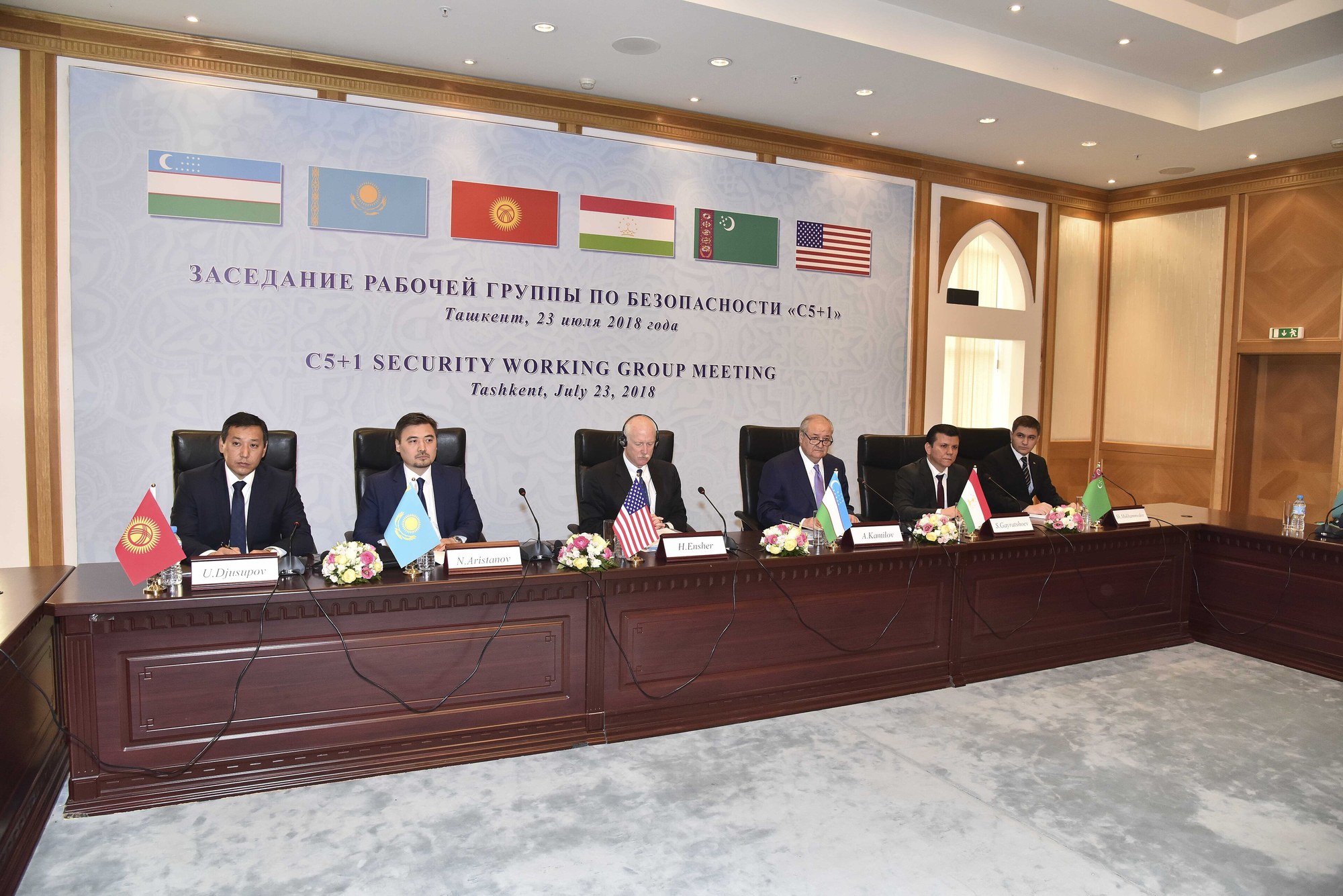
Two to four distinct policy courses, each tested against legal authority, delivery capacity, timing and political acceptance.
An actor-by-actor view of interests, red lines, possible exchanges and the sequence most likely to sustain dialogue.
A pre-launch or mid-course assessment of ownership, resources, coordination gaps and measurable consequences.
A concise, source-backed briefing built around the choices due now, the uncertainties that matter and the next review point.
03
Facilitated exercises that test how a team decides under pressure. Participants receive timed scenario injects, record choices and assumptions, and leave with an evidence-based after-action plan rather than a generic workshop summary.
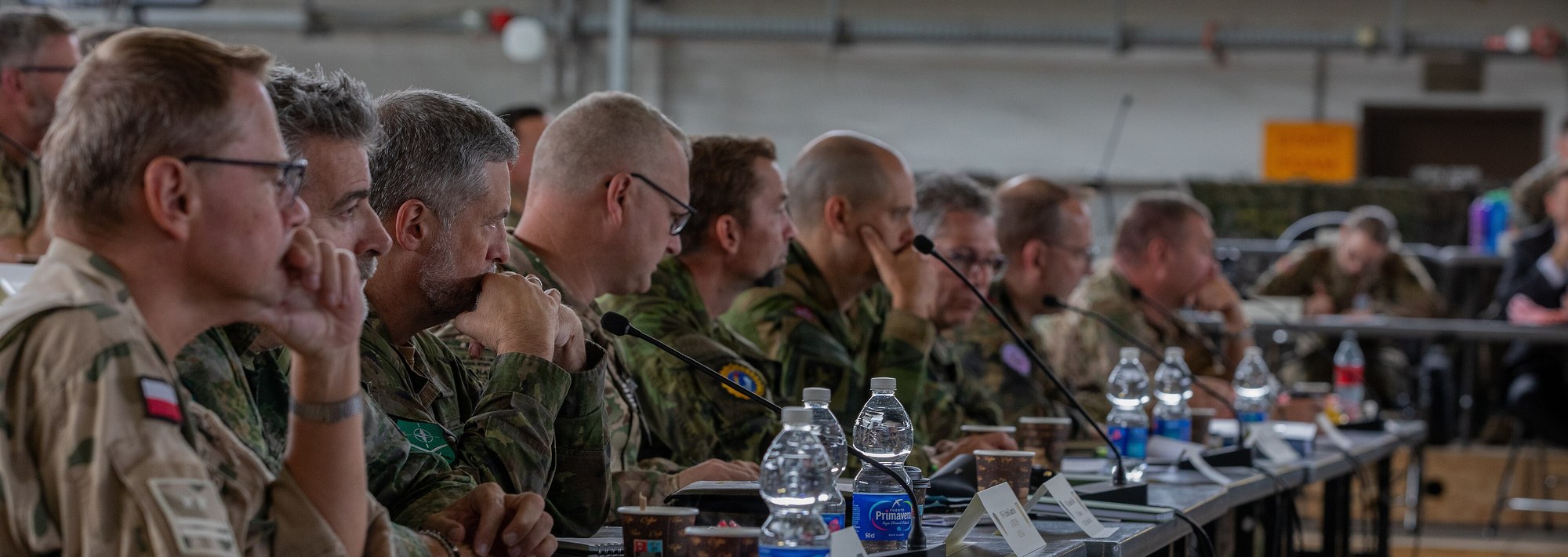
A multi-round exercise with incomplete information, changing actor behaviour and explicit decision deadlines.
A test of command, supplier alternatives and communications during a prolonged logistics or infrastructure disruption.
A client-specific sequence of events, role cards and decision points tied to real mandates and operating constraints.
A decision log, gap analysis and prioritised improvement plan with owners and dates for the next validation exercise.
04
Commissioned research for questions that do not fit a standard product. The scope fixes the question, evidence plan and review method at the outset, then delivers a transparent analytical record that can withstand internal challenge.

A tightly scoped report that states the evidence base, tests alternative explanations and answers an agreed decision question.
A structured comparison of actors, dependencies, policy constraints and plausible shifts in a defined field.
A documented scan of emerging signals, their confidence level and the conditions under which they become decision-relevant.
A case-based comparison that explains which practices transfer, which do not and why.
Set out the question, decision context, intended audience and relevant timeframe.
Agree evidence needs, research boundaries, working format, milestones and output type.
Gather evidence, test assumptions and review emerging findings against the agreed question.
Provide the agreed output and discuss implications, limitations and possible next steps.